
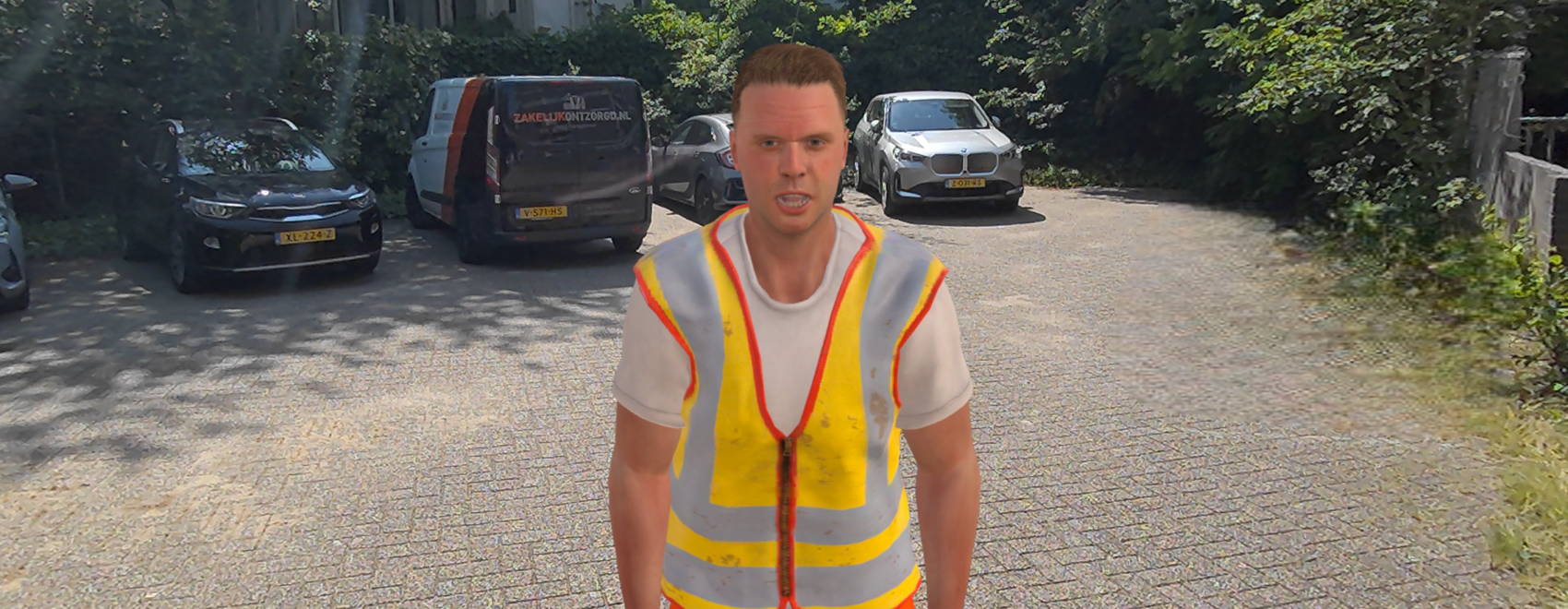
Working safely is not only about rules and procedures. In many organisations, employees know what safe behaviour looks like. Still, risky situations continue to happen because it can be difficult to speak up when a colleague is working unsafely.
Correcting someone can quickly feel uncomfortable. Especially when that person reacts angrily, has more experience, is under time pressure, or is part of the same team. Employees often do not want to damage the atmosphere, create conflict, or come across as know-it-alls. As a result, unsafe behaviour is sometimes ignored, even when someone knows they should say something.
This is exactly where AI-powered Virtual Humans can help. They make it possible to practise difficult safety conversations in a realistic way, without real-world consequences. Employees not only learn which rules apply, but also how to address someone in the right way.
Safety as an example
Safety is an AR training in which employees practise addressing a virtual colleague about unsafe behaviour. The user has a conversation with an AI Virtual Human and afterwards receives feedback from an AI coach.
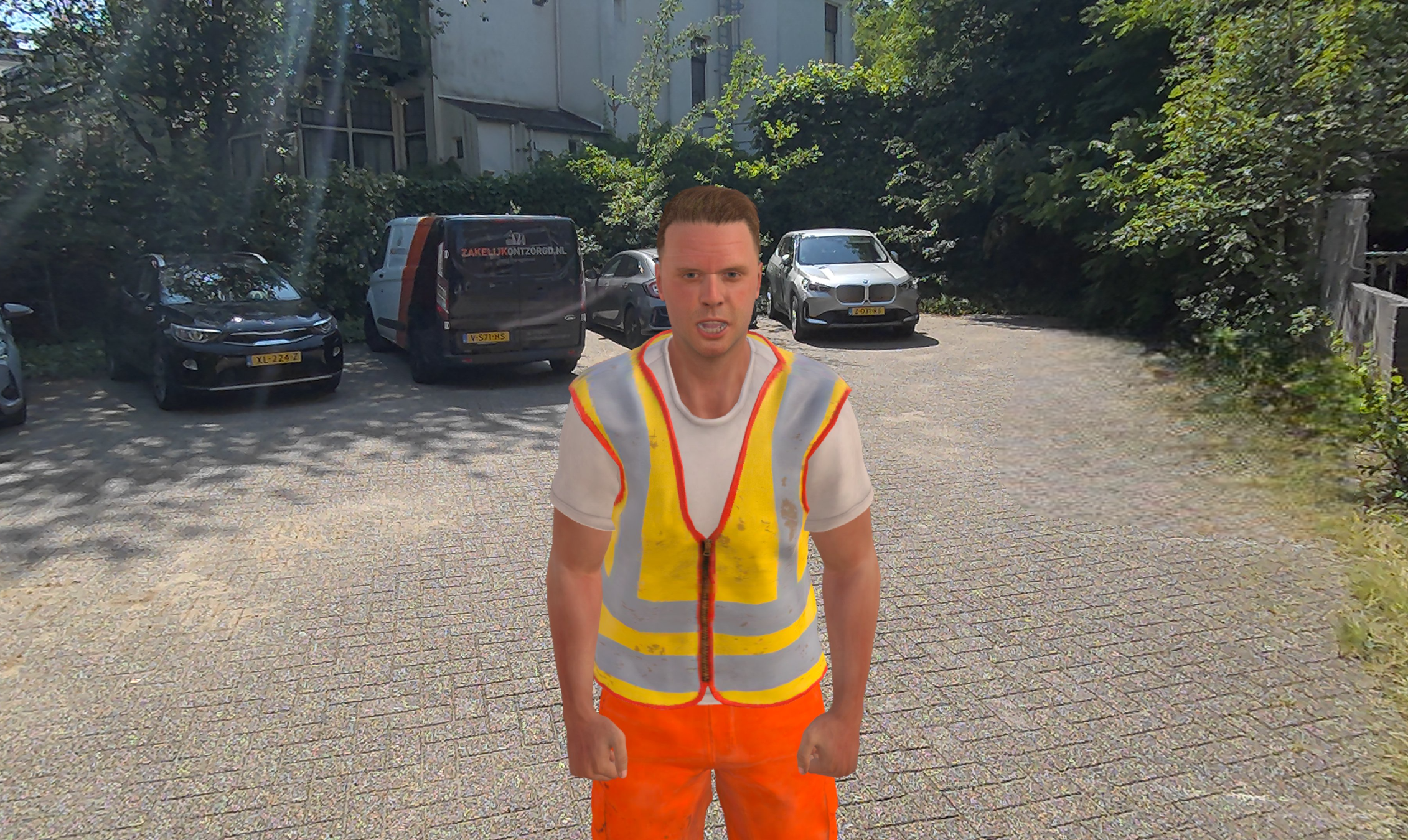
The training shows how challenging this kind of conversation can be. The user learns to stay calm, communicate clearly, deal with resistance, and guide the other person towards safer behaviour in a respectful way.
Safety is therefore not a training about one specific rule, but an example of how Virtual Humans can make safety conversations more practical and realistic to train.
Why Virtual Humans are the solution
A lot of safety training is focused on knowledge: rules, risks, and protocols. While knowing the nuances is important, there is a gap in the training where knowing the protocol isn’t enough. You need to be able to apply the knowledge in context and be able to have the right communication skills for it.
Virtual Humans offer a safe training environment for this. They can show emotions, offer resistance, and respond in different ways based on what the user says. This makes the training feel like a real conversation, but without the pressure of a real conflict situation.
Employees can practise situations such as:
- Addressing a colleague about unsafe behaviour
- Dealing with anger, resistance, or excuses
- Explaining safety rules without sounding patronising
- Asking follow-up questions when someone becomes defensive
- Staying calm under pressure or time constraints
- Receiving feedback on tone, approach, and arguments
Because the situation is digital, participants can make mistakes, try again, and improve step by step. This helps them build confidence before they have to deal with a similar situation in real life.
Broader use and easier to organise
Although Safety focuses on a workplace safety situation, this way of training can be applied much more broadly. In any work environment where safety depends on behaviour, communication, and teamwork, Virtual Humans can add value.
Think of situations where employees need to address colleagues who skip procedures, do not wear protective equipment, work unsafely under time pressure, or ignore agreements. These situations can occur in many sectors where safety is a daily responsibility.
An important advantage of AR training is that it is easier to organise logistically than many traditional training methods. There is no need for training actors, a full training session or presentation does not always have to be scheduled, and employees can use the training at a moment that fits better into their working day.
This makes practice more accessible. Instead of one central training session where everyone has to be present at the same time, employees can train independently or in smaller groups. The same situation can also be repeated multiple times, so people not only hear what they should do, but actually get to practise it.
The strength is therefore not in one specific scenario, but in the way of practising. The Virtual Human makes it possible to realistically simulate difficult conversations, while the user can safely try, make mistakes, and receive feedback.
From theory to practice
An AI coach reflects on the conversation, helping translate theoretical understanding of how to approach difficult conversations into application.
The AI coach can give direct contextual feedback on the user’s approach. The AI coach can translate methodology and reflect on the conversation based on known methods to conversation skills.
Was the message clear? Did the user listen well? Did the conversation escalate, or did the user remain calm? Could the user have asked better follow-up questions? The coaching makes safety training more practical and personal.
The value of AI Virtual Humans in training
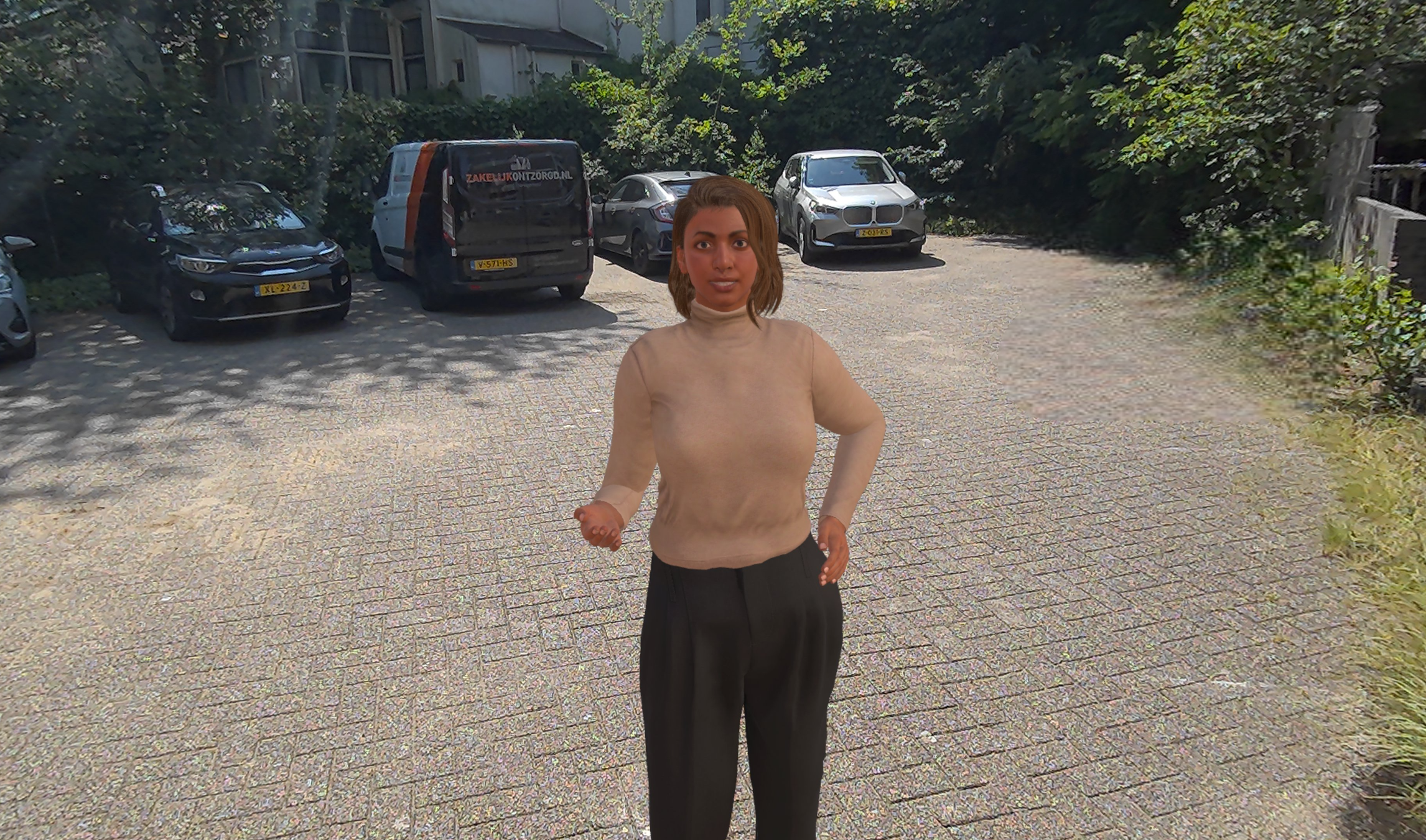
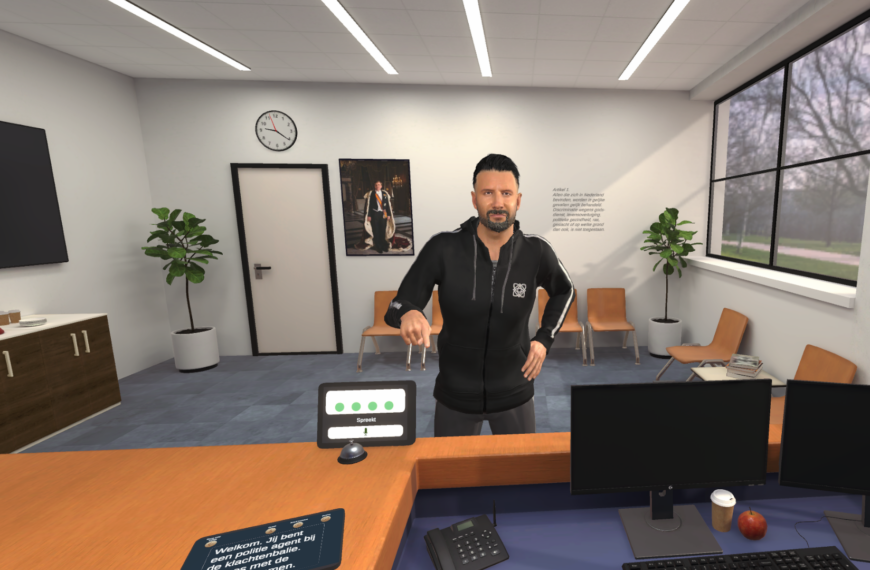
AI Virtual Humans make safety training easier to repeat, scale, and personalise. The same scenario can be used across teams or locations, while each user still receives an interactive experience. Below are some other examples of training with AI avatars.


Interested to know more? Would you like a demo? Contact Us!

